

Software products and digital businesses depend on valuable intellectual property (IP). Source code, mobile applications, website content, design systems, videos, graphics, databases, and documentation can represent years of investment. If these assets are copied, misused, or taken by a former employee or contractor, the business may face financial loss and reputational damage.
Copyright registration provides an official record of ownership and strengthens the legal position of the creator or business. In India, copyright protection generally arises automatically when an original work is created. Registration is not compulsory. However, a registration certificate can provide useful evidence of authorship, ownership, creation date, and the scope of the protected work.
VS IPR & LEGAL ADVISORS LLP helps software companies, app founders, agencies, developers, designers, and digital businesses structure and protect their IP under one roof.
What Copyright Protects in Software and Digital Assets
Copyright protects the original expression contained in a work. It does not protect a general idea, business method, functionality, or abstract concept.
The following assets may qualify for protection in India when they are original and properly documented:
Source Code and Computer Programs
Source code for websites, mobile applications, SaaS platforms, games, enterprise software, and internal business tools is generally treated as a literary work in the category of computer software.
Copyright may cover the written code and its original structure. It does not automatically protect the underlying idea, algorithm, method of operation, or technical function as such.
UI/UX Elements
User interface (UI) screens, icons, illustrations, visual layouts, graphic elements, and original design assets may qualify as artistic works. User experience (UX) flows, design specifications, written product requirements, and user manuals may be protected as literary works where they contain sufficient original expression.
Protection should be planned carefully. A familiar layout or standard interface convention may not be protected merely because it appears in a particular application. Original visual expression and documentation are more relevant.
Website and Application Content
Copyright can cover original website copy, blog articles, product descriptions, educational content, user instructions, interface text, and marketing materials.
Businesses should also document ownership of content created by agencies, writers, developers, and other contributors. A payment invoice alone may not clearly transfer all copyright rights.
Graphics, Illustrations, Photography, and Branding Assets
Original illustrations, photographs, icons, infographics, banners, and other visual assets may be protected as artistic works. A logo may receive copyright protection as artwork, but trademark registration is usually important for protecting its commercial brand identity.
Videos, Audio, and Digital Media
Promotional videos, tutorials, animations, podcasts, music, voice recordings, and other digital media may fall under different copyright categories, including cinematograph films and sound recordings.
Each asset should be assessed separately. A video may contain multiple rights, including rights in the script, music, voice performance, footage, graphics, and final audiovisual production.
Databases and Documentation
Databases may receive protection as original compilations where the selection or arrangement demonstrates originality. Documentation such as application programming interface (API) guides, technical manuals, training material, user guides, and product specifications may also qualify as literary works.

Copyright, Trademark, and Patent Protection: Key Differences
Different forms of IP protect different business assets.
Copyright
Copyright protects original expression, including source code, website content, artwork, videos, sound recordings, documentation, and certain databases.
Trademark
A trademark identifies the commercial source of goods or services. It may protect a brand name, application name, logo, tagline, sound, or other distinctive identifier.
Copyright does not replace trademark protection. A software company may need copyright registration for its source code and creative assets, along with trademark registration for its brand name and logo. Businesses can explore VS IPR’s trademark registration services.
Patent
A patent protects a novel, inventive, and industrially applicable invention, subject to statutory requirements. In India, software “per se” is generally excluded from patentability under Section 3(k) of the Patents Act. However, certain computer-related inventions may require a detailed assessment under applicable examination standards, particularly where a technical effect or technical contribution is involved.
A legal review should determine whether copyright, trademark, patent, design, confidentiality, or a combination of protections is appropriate.
Who Can Apply for Copyright Registration?
Copyright registration may be relevant to:
- Software companies and technology businesses
- Mobile application and SaaS founders
- Website and e-commerce operators
- Advertising and creative agencies
- Independent developers and designers
- Content creators and production studios
- Educational technology businesses
- Gaming companies
- Digital marketing agencies
- Businesses with internally developed software and digital systems
The applicant may be the author, owner, employer, assignee, or another person or entity with a valid interest in the work. The ownership position should be reviewed before filing.
Documents and Information Required
A strong application begins with a clear chain of title and well-organised evidence. Depending on the work and applicant, the following may be required:
- Applicant’s identity and address proof
- Details of the author or authors
- Title and description of the work
- Date and place of creation
- Publication details, if the work has been published
- Details of the first owner and current owner
- Assignment deed or ownership agreement, where applicable
- No-Objection Certificate (NOC) from the author, where required
- Employee or freelancer agreements
- Board resolution or authorisation letter for a company
- Power of Attorney, where an authorised representative files the application
- Source code deposit for software
- UI screenshots and relevant visual material
- Website content, documentation, or design files
- Copies of videos, audio, artwork, or other digital assets, depending on category
For software applications, the Copyright Rules provide for the deposit of source code material. Current filing requirements commonly require at least the first ten and last ten pages of source code, or the complete code where it does not exceed twenty pages. The deposited pages should comply with the Copyright Office’s prevailing requirements, including restrictions on blocked-out or redacted portions.
Because source code may contain confidential information, the filing strategy should be planned before submission. Copyright registration should be coordinated with confidentiality, access control, repository management, and trade secret protection.
Copyright Registration Process in India
The application process generally involves the following stages:
1. Identify and Classify the Work
The applicant should decide whether the asset is a computer program, literary work, artistic work, sound recording, cinematograph film, or another recognised category.
A single digital product may contain several protectable components. In some cases, separate applications may provide clearer protection for source code, artwork, documentation, and video content.
2. Conduct an Ownership Review
The applicant should verify who created the work and whether rights were transferred. This step is particularly important where the product was developed by employees, consultants, freelancers, agencies, or joint contributors.
3. Prepare Form XIV and Supporting Statements
Copyright applications are generally filed using Form XIV, along with the Statement of Particulars and Statement of Further Particulars, as applicable.
The application should accurately describe the work, authorship, ownership, publication status, and nature of the applicant’s interest.
4. Prepare the Deposit Material
For software, the source code deposit must be prepared in the required format. UI screenshots, feature descriptions, design material, documentation, and other supporting files may also be included where relevant.
The material should be consistent with the work described in the application.
5. File Online and Pay the Prescribed Fee
Applications may be filed through the official Copyright Office portal. The prescribed government fee depends on the category and current fee schedule. Applicants should verify the applicable fee at the time of filing.
6. Diary Number and Objection Period
After submission, the application receives a diary number for tracking. A statutory waiting period allows third parties to raise objections.
7. Examination and Clarifications
The Copyright Office may examine the application and request clarifications or additional documents. Issues may arise regarding authorship, ownership, publication, title, classification, or the relationship between the applicant and contributors.
8. Registration Certificate
If the application is accepted, the Copyright Office issues a registration certificate. The certificate does not replace ownership agreements or prevent all disputes, but it can serve as valuable evidence in enforcement and commercial transactions.
Timelines can vary based on objections, examination queries, document completeness, and the workload of the Copyright Office.
Employee and Freelancer Ownership Issues
Ownership disputes are common when businesses do not document development work properly.
For employee-created works, the employer may be treated as the first owner in certain circumstances under the Copyright Act, subject to the facts and the terms of employment. A written agreement remains important because it can clarify ownership, permitted use, confidentiality, moral rights, assistance with registration, and post-employment obligations.
Freelancers and independent contractors should generally sign a written assignment or licence agreement. The document should specify:
- The exact work being transferred
- The rights assigned or licensed
- Duration of the arrangement
- Territory
- Permitted uses
- Consideration or royalty
- Rights to modify, commercialise, sublicense, and enforce
- Delivery of source files and credentials
- Confidentiality and non-disclosure obligations
A business should not assume that hiring or paying a freelancer automatically transfers every copyright right.
What to Do If Digital Assets Are Infringed
When unauthorised copying is discovered, the business should act quickly and preserve evidence.
Practical steps include:
- Capture dated screenshots and URLs.
- Preserve source repository records, deployment logs, and access records.
- Compare the original and allegedly copied code or creative asset.
- Identify the infringer, platform, customer, or distribution channel.
- Review copyright registrations and ownership agreements.
- Send a carefully drafted cease-and-desist notice.
- Submit platform, marketplace, hosting, or app-store takedown requests where available.
- Consider negotiations, licensing, settlement, or legal proceedings.
- Seek urgent injunctive relief where continued use may cause serious harm.

Why Choose VS IPR & LEGAL ADVISORS LLP?
Copyright registration is only one part of an effective IP strategy. VS IPR & LEGAL ADVISORS LLP supports businesses with:
- Copyright registration for software and digital content
- Ownership and assignment documentation
- Trademark protection for brands and application names
- Patent and design strategy
- IP licensing and commercial agreements
- Infringement assessment and enforcement support
- Corporate and startup legal advisory
- Domestic and international IP coordination
The firm’s one-roof model helps clients connect IP protection with contracts, corporate structure, compliance, and business growth. Since 2015, the firm has focused on clear communication, client accountability, and practical legal guidance. Learn more about VS IPR & LEGAL ADVISORS LLP.
Expert Section: VS IPR & LEGAL ADVISORS LLP
Mr. Sanjay Trivedi : Legal & IPR Professional

Vipul Bhatt : LLB & IPR Professional

Harsh Mehta : PCS & Legal Advisor
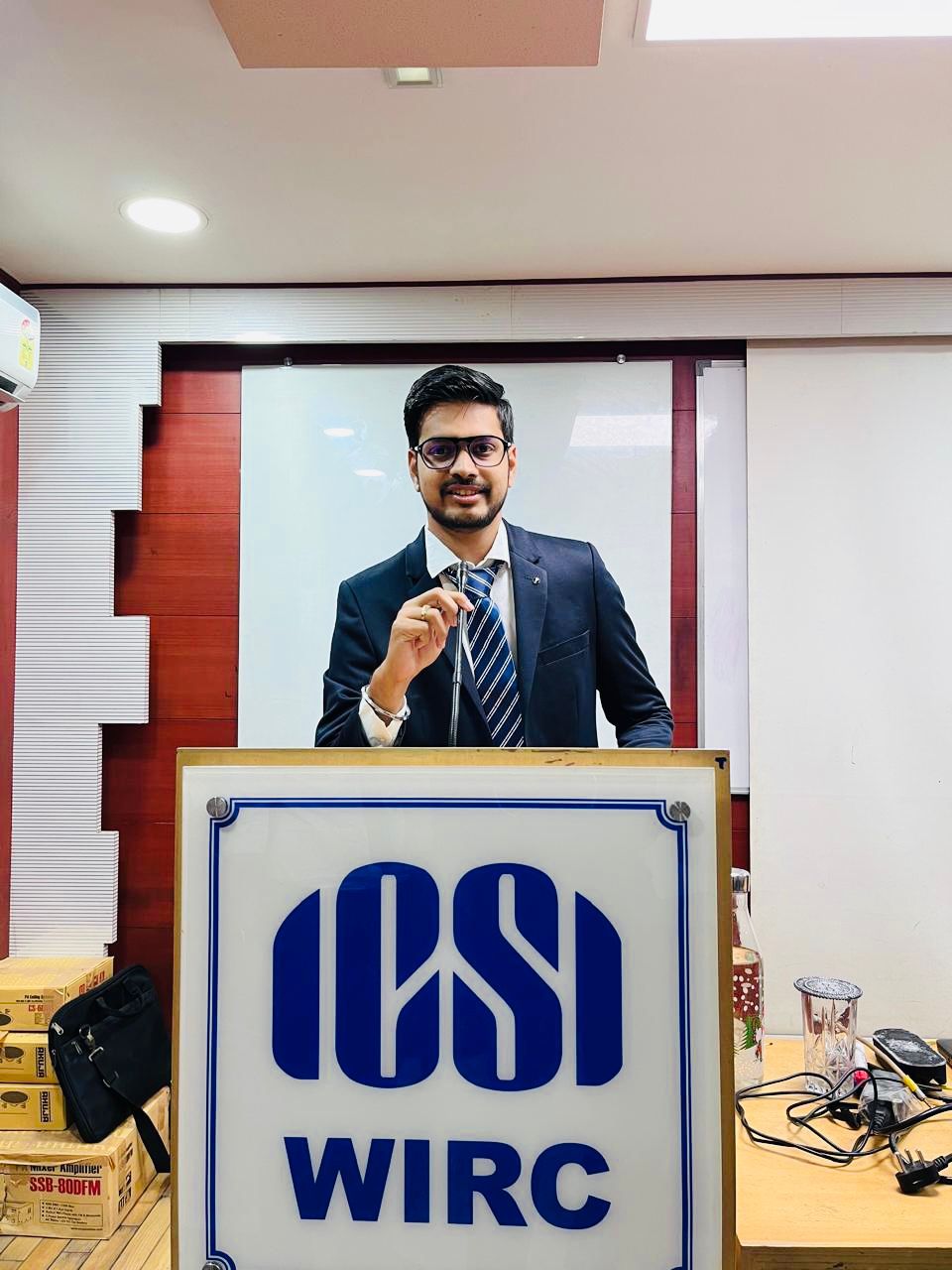
Protect Digital Work Before a Dispute Arises
Copyright registration can help a business establish a documented protection strategy for its code, content, designs, and digital assets. The best time to review ownership and evidence is before a product launch, funding round, employee exit, licensing deal, or infringement dispute.
Let’s talk about your software and digital assets. Call us today, leave a message, or email the firm for a practical copyright and IP protection review. Visit the VS IPR & LEGAL ADVISORS LLP contact page or connect with the team directly.
VS IPR & LEGAL ADVISORS LLP
B-005 & 6 SURYA KIRAN BUILDING, AWADHUT NAGAR, NEAR ANAND JUICE CENTER, DAHISAR-EAST, MUMBAI 400068, MAHARASHTRA.
EMAIL: PROCESS.VSLEGAL@GMAIL.COM | LEGAL@VSIPR.COM
TEL: +91 8898979393 | +91 9326362813 | +91 8652519622
This article is intended for general information and does not constitute legal advice. Copyright requirements, fees, filing procedures, and legal outcomes may vary according to the facts of each matter and the applicable rules at the time of filing.
 Contact Us