

Design registration in India protects the visual appearance of eligible products. It can help furniture manufacturers, lighting designers and home decor brands protect original product looks before a collection reaches showrooms, marketplaces or trade fairs. Businesses sometimes call it a “design patent,” but the correct Indian term is registration of a design under the Designs Act, 2000. It protects appearance, not how a product works.
Why product appearance matters
Furniture and home decor are visual categories. Customers often notice a chair’s silhouette, a lamp’s form or a cabinet’s surface pattern before they compare specifications. Distinctive designs can support lifestyle branding, showroom appeal and online product recognition.
As a successful product gains visibility, similar-looking products may appear through local manufacturers, online sellers or import channels. Filing before public launch can give a business a clearer basis for protecting an eligible design. It is particularly relevant to direct-to-consumer (D2C) brands, modular furniture makers, contract and office furnishing companies, interior product businesses, exporters, importers and original equipment manufacturer (OEM) or original design manufacturer (ODM) businesses.
India’s home market includes growing D2C activity, organised retail, export-oriented production and contract furnishing. For businesses investing in new product development, considering intellectual property early can help connect design work with commercial plans.
What design registration protects
Under the Designs Act, 2000, a design concerns features such as shape, configuration, pattern, ornamentation or composition of lines or colours applied to an article. The features are assessed by the eye. The design must be applied to an article through an industrial process or means.
Depending on the product and the design, potentially protectable appearance may include:
- Chair and sofa silhouettes, table forms, bed headboards and modular storage configurations.
- Cabinet-door patterns, decorative hardware, switch plates and mirror frames.
- Pendant-light housings, lamp bodies and chandelier configurations.
- Wall panels, vases, planters, outdoor furniture and decorative objects.
- Surface patterns on cushions, upholstery and rugs, subject to the applicable legal framework.
- Packaging or presentation elements, where they qualify as a design applied to an article.
A design application should show the particular visual features being claimed. Whether a specific product or feature qualifies depends on its facts, classification and prior disclosure.

What design registration does not protect
Design registration does not protect a product’s functionality, mechanical fittings, method of construction or manufacturing process. A sleek recliner silhouette may raise a design question; its reclining mechanism is a different matter. These features may call for patent protection, trade-secret safeguards or contractual confidentiality, depending on the facts.
| Product element or business asset | Potentially relevant IP protection |
|---|---|
| Chair, sofa, table, cabinet or lamp appearance | Design registration |
| Novel hinge, recliner or sofa-bed mechanism | Patent, if statutory requirements are met |
| Joinery or assembly method | Patent or trade secret, as appropriate |
| Wood-treatment or finish formula | Patent or trade secret, depending on the innovation |
| Sustainable-material innovation | Patent assessment; relevant certification strategy for substantiated claims |
| Brand name, logo or collection name | Trademark registration |
| Product photographs, lookbooks and original artwork | Copyright |
| Textile weave or fabric pattern | Case-specific review of design, copyright and textile-law considerations |
| Confidential mould details, supplier information or production specifications | Non-disclosure agreements (NDAs) and clear contracts |
A stacked strategy can combine design registration with patent filing, Trademark Registration India, copyright protection and confidentiality agreements. Design assignment agreements with freelance designers, employees, studios, factories and ODM partners can help establish who owns the work.
For guidance on related services, see the firm’s intellectual property services and contact page.
Eligibility: is the design registrable?
A design generally needs to be new or original, applied to an article, and judged by its visual appearance. It should not have been published or disclosed to the public in India or elsewhere before the relevant filing or priority date. It must also be sufficiently distinguishable from known designs and avoid statutory exclusions, including designs that are not registrable under the Act.
The design must not be merely a method or principle of construction, or a feature dictated solely by function. A search can help identify similar public designs, but it cannot guarantee registration or predict every objection.
How the design registration process works
The process commonly involves these steps:
- Identify the applicant, article and class. The applicant may be a business or an individual entitled to apply. Confirm the product description and relevant Locarno classification. Furniture commonly falls in Class 6; lighting apparatus commonly falls in Class 26. Decorative articles may fall in other classes, depending on the article.
- Search existing designs and disclosures. Review relevant design records and check whether the proposed design has already been made public.
- Prepare representations. Submit clear drawings or photographs in the prescribed format. The views should consistently show the appearance claimed. A statement of novelty and disclaimers may be appropriate.
- File Form 1. The application is filed with the prescribed information, representations and fee. Where a priority claim is available, the required details and documents should be handled within the applicable period.
- Respond to examination. The Controller examines the application. Objections or formal defects may require a response and, where appropriate, amended documents.
- Registration and publication. If accepted, the design is registered and published, and a certificate is issued under the statutory process.
Use the official IP India Designs Act page, design application workflow and design FAQ to verify current official requirements.

Documents and practical requirements
A filing generally needs applicant details, the article name and classification, representations of the design and the prescribed application information. The statement of novelty should focus on the visual features claimed. Disclaimers may clarify elements that are not claimed. If the applicant is not the original designer, keep appropriate assignment deeds or other ownership documents. A power of attorney may be required when an agent acts for the applicant.
Locarno classification helps organise applications; it does not itself determine the legal scope of protection. Different product types or classes may require separate filings. Check the current rules and filing requirements for the specific application.
Term, disclosure and ownership
Design registration generally lasts 10 years, with a possible one-time extension of five years, for a maximum term of about 15 years, subject to the Act and timely renewal requirements. Brands managing seasonal collections should track filing, priority and renewal dates across their portfolio.
The applicant should settle ownership before filing. Common problems arise when a freelance studio, contract furniture designer, marketplace-listing creator, factory or overseas OEM/ODM partner contributed to product development, but the contract does not clearly assign design rights. Informal founder arrangements can create similar uncertainty.
Public disclosure can also put novelty at risk. Catalogue launches, trade fairs, social-media posts, influencer reveals, marketplace listings and showings to interior designers may count as disclosure. The safest practice is to seek advice and consider filing before a public reveal. Do not assume a general grace period applies.
Enforcing and commercialising a protected design
Where a registered design is copied, a business may assess evidence such as product photographs, listings, invoices, samples and the relevant registration documents. Depending on the circumstances, enforcement options may include legal notices, court proceedings seeking remedies such as injunctions and damages, or marketplace takedown requests under platform procedures. Customs measures may also be considered where available and legally applicable. Outcomes are never automatic; each route depends on the evidence, rights and applicable law.
A design portfolio can also support licensing, collection extensions and negotiations with retailers, manufacturers or investors. Clear ownership records may help a scaling brand demonstrate that its product development has been managed deliberately.

Common mistakes and a pre-launch checklist
Businesses can lose time and leverage by revealing a product before filing, relying on verbal agreements with designers, assuming design registration covers a mechanism, filing unclear product views or treating one registration as protection for every variation and article.
Before launching a new collection:
- List each product and the distinctive visual features to protect.
- Search for similar registered designs and public disclosures.
- Confirm the applicant and obtain written assignments from contributors.
- Prepare consistent, clear representations and check the Locarno class.
- Consider whether patents, trademarks, copyright or NDAs are also relevant.
- File before public announcements, sales listings, trade fairs or influencer previews.
- Track examination responses, registration details and renewal deadlines.

Speak with an intellectual property team
A considered filing strategy can help a home brand protect eligible product appearance while addressing mechanisms, branding, creative works and confidential manufacturing information through the right legal tools. VS IPR & LEGAL ADVISORS LLP assists businesses with design searches and registration, patent filing services, trademark registration, copyright protection, licensing and corporate advisory.
If a new furniture, lighting or decor collection is approaching launch, call us today or leave a message. Let’s connect to discuss the products, ownership documents and filing sequence. No registration, approval or enforcement outcome can be guaranteed. Advice should be tailored to the specific design and current official rules.
Our Partners

Mr. Sanjay Trivedi, Legal & IPR Professional

Vipul Bhatt, LLB & IPR Professional
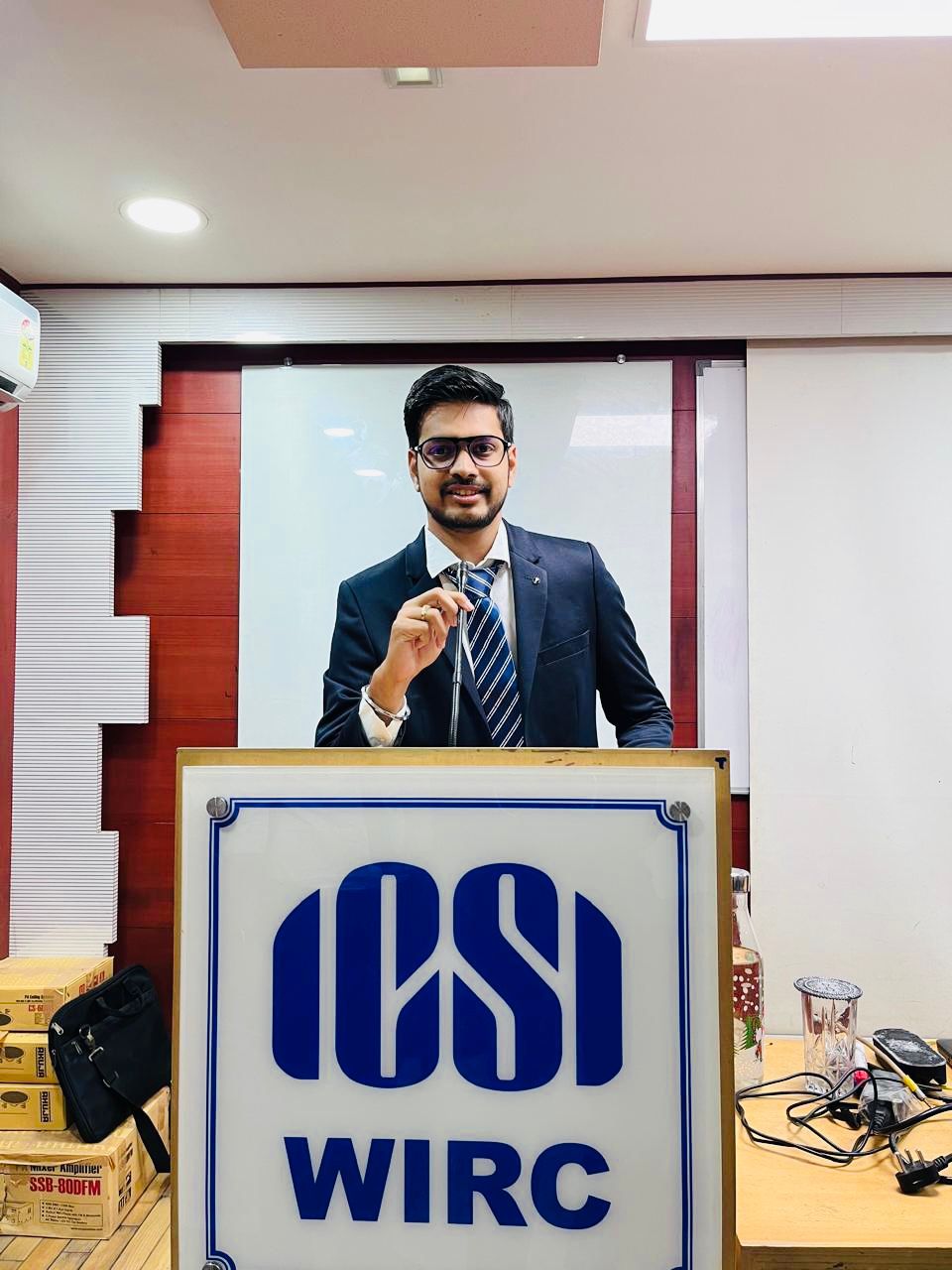
Harsh K Mehta: Legal Advisor
Contact VS IPR & LEGAL ADVISORS LLP
VS IPR & LEGAL ADVISORS LLP
B-005 & 6 SURYA KIRAN BUILDING, AWADHUT NAGAR, NEAR ANAND JUICE CENTER, DAHISAR-EAST, MUMBAI 400068, MAHARASHTRA.
EMAIL: PROCESS.VSLEGAL@GMAIL.COM | LEGAL@VSIPR.COM
TEL: +91 8898979393 | +91 9326362813 | +91 8652519622
 Contact Us